
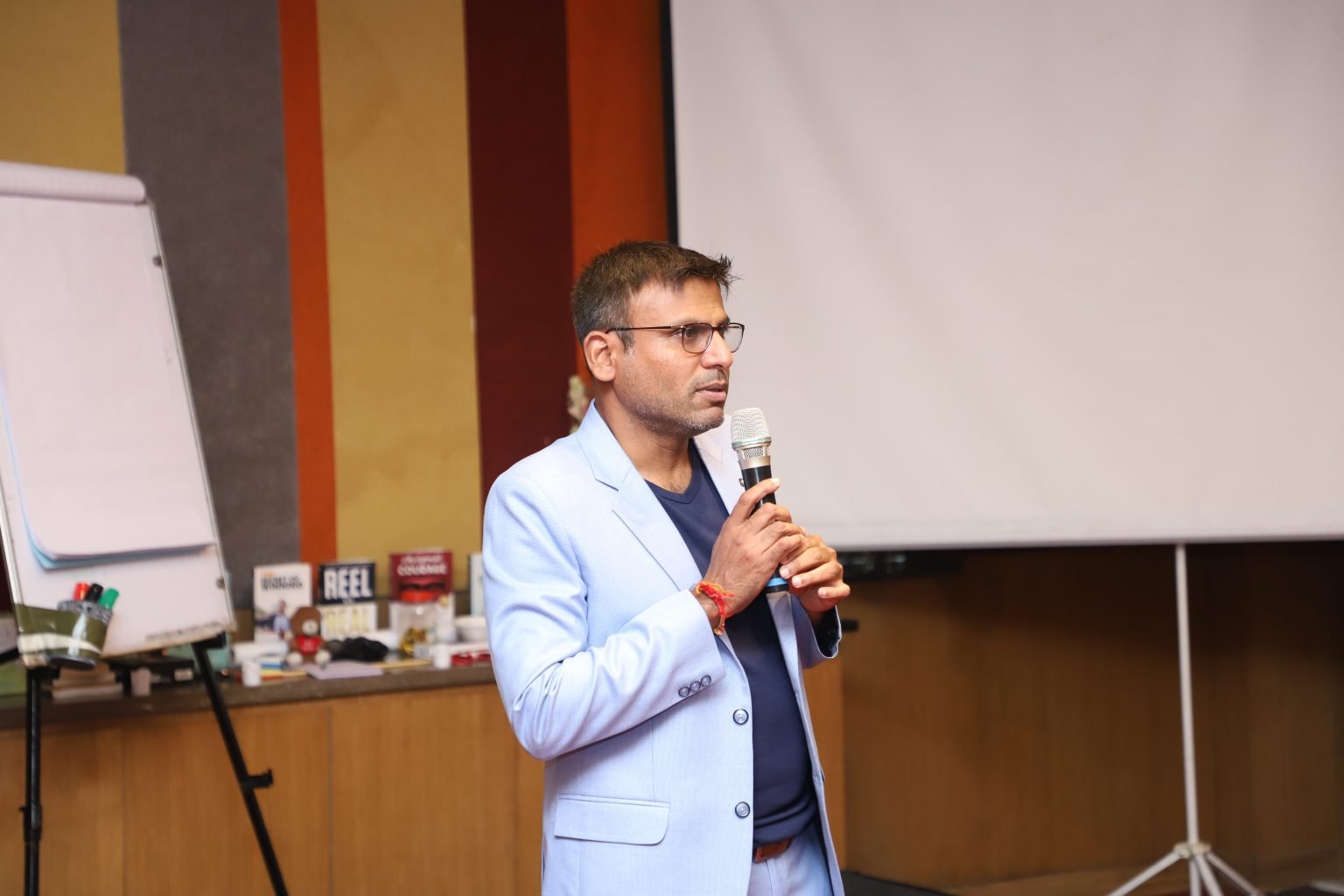
Have you ever walked off stage after a successful talk, only to realize that the applause didn’t translate into new opportunities? You connected with the audience in the moment, but once the event ended, no one followed up, no one tried to connect with what you were selling, everyone just moved on.
That’s where networking skill comes into play.
Public speaking isn’t just about how well you perform on stage, it’s also about what you do once the microphone is off. Your talk may inspire, but it’s your networking skill that transforms a speech into professional relationships, referrals, and real career growth.
The Advantage Most Speakers Overlook
Take two speakers, both speak well on the stage, and deliver incredible speeches. But once the event ends, one speaker leaves, pleased with their performance while the other one stays, and networks with people.
Six months later, the first speaker is still chasing gigs. The second? They’ve booked new events, received awards and are building partnerships.
The difference isn’t talent, it’s networking skill. Being great on stage gets attention. But connecting off stage ensures you’re remembered. It’s how you’re able to secure high-paying gigs and stay relevant in your industry. You might be talented at public speaking, but what’s the point if people don’t remember who you are.
Why Networking Skill Beats Stage Talent Alone
The speaking industry is full of talented people. Many can deliver polished talks, tell compelling stories, and leave audiences inspired. But not all of them are able to build lasting careers.
The ones who thrive are those who know that networking skill is as important as their delivery. Here’s why:
- It Creates Opportunities: Authentic conversations open doors that you wouldn’t be able to open if you just left early and never interacted with anybody.
- It Builds Advocacy: Audiences are able to vouch for people they connect with, if you can establish that connection off-stage then you will be able to get some long-lasting professional relationships.
- It Extends Your Impact: your talk might be memorable, but to create an impact, you need to connect with your audience off stage too.
Rethinking Networking as a Speaker
Networking isn’t really the same for speakers as it might be for people of other professions. You’re not exchanging business cards or making small talks. You’re building trust. For speakers, it’s highly important to establish trust with the audience and one of the best ways of doing that is through networking.
Your audience will connect to you more if you seem like someone they can relate to. And on the stage, you can tell them your story and make them relate… but being among them? It will create more impact.
On stage, you’ve already won the room’s attention. Off stage, networking skill allows you to deepen that connection by being approachable, and showing genuine interest in others.
How to Apply Networking Skill as a Speaker
Here are some simple ways speakers can use networking skill effectively:
- Stay Accessible After Your Talk: Instead of leaving right away, stick around and invite conversation.
- Be Curious: When attendees share their thoughts, ask about their work or experiences.
- Follow Up Promptly: A short message after the event can turn a casual chat into a meaningful relationship.
- Offer Value First: Share a helpful resource, introduce someone, or provide encouragement. Giving before asking makes you memorable.
The Speech Is Just the Beginning
Here’s the mindset shift: your talk isn’t the main event, it’s the introduction. The stage gives you visibility, but it’s your networking skill that builds longevity.
Think of it this way… a speech may win applause, but relationships win careers. Every handshake, every question you ask, and every follow-up email is part of your real performance as a speaker.
Conclusion
Public speaking success isn’t measured only by applause or polished delivery. It’s measured by what comes after, the connections you build, the relationships you nurture, and the opportunities you create.
That’s why networking skill isn’t optional. It’s an important aspect of public speaking. One that shouldn’t be ignored by speakers.
When you step off-stage next time, don’t just go off on your own, try to meet your audience, network with them and get involved.
If you have some suggestions for what topic I should cover next, then please let me know in the comments below.
Want to learn more on how you can conquer your fear of stage? Sign up for our guidebook that will help you not only get over the fear of stage, but also conquer it!